
AI applications are most useful to discuss as tasks: classifying information, extracting fields, drafting text or finding relevant material. The same task can appear in many industries. The context determines what data is appropriate and how the output must be reviewed.
Classifying requests
An example is sorting incoming enquiries into agreed categories. The workflow needs a definition of each category and a route for requests that do not fit. It should be possible for a person to correct the classification.
Extracting information
A model may help identify fields in a document or message. The output needs to be checked against the source, especially when the format is inconsistent or information is missing. Decide whether extracted data is saved immediately or reviewed first.
Preparing drafts
A possible use is turning an approved brief into a first draft of a routine response or document. Give the model source material and a clear format. A person remains responsible for deciding whether the draft is accurate and appropriate to send.
Searching approved knowledge
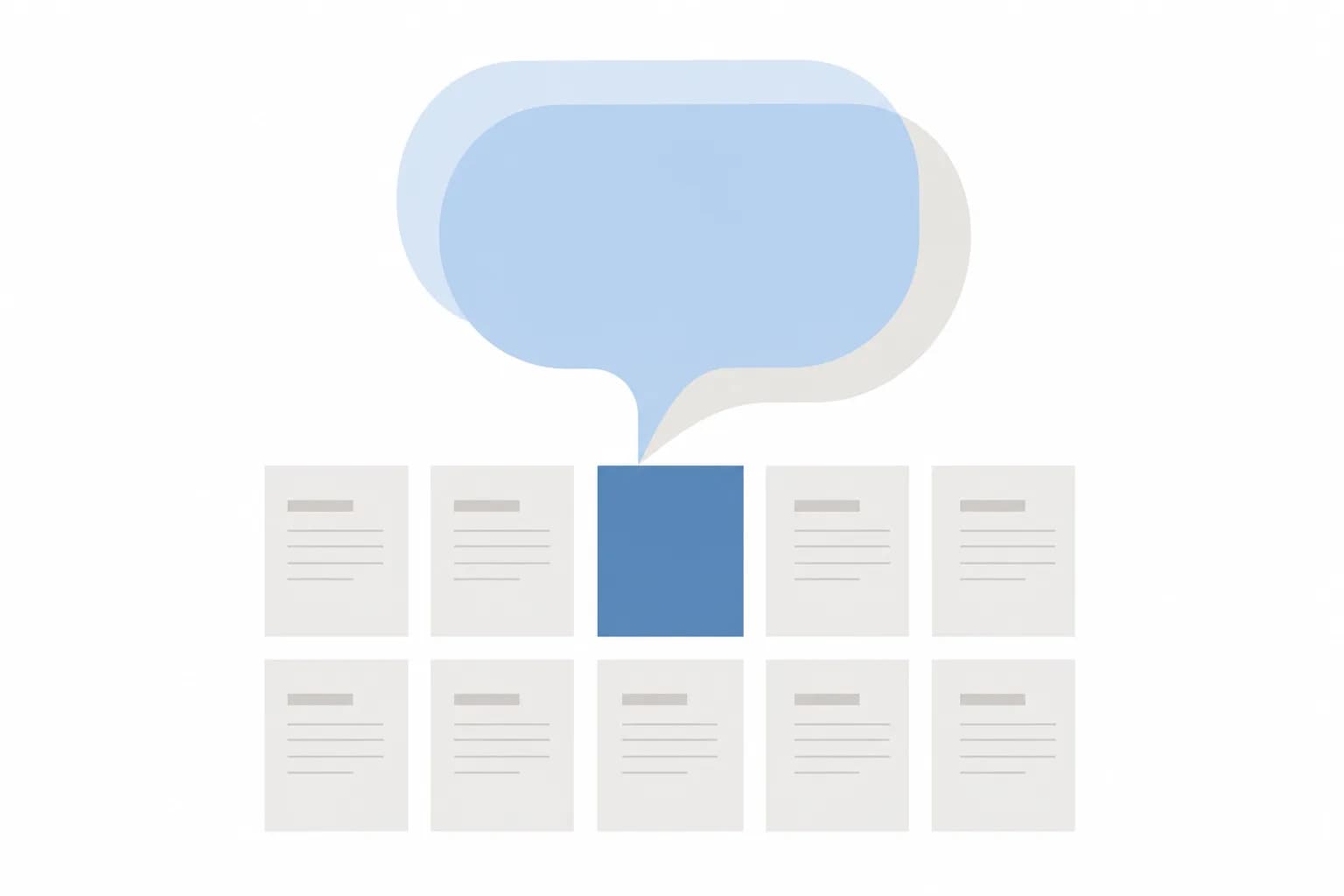
An internal assistant can be scoped to retrieve relevant information from a defined set of documents. Source links help a user inspect the basis of an answer. The workflow needs a response for missing or conflicting information rather than an invented answer.
What about specialist fields?
Health, financial and other consequential settings require domain expertise and careful review. A general drafting or search example does not establish suitability for those uses. Begin with the task and its consequences, not an assumption that AI can replace a professional decision.
What is the next step?
These are possible workflow patterns, not delivered client case studies. Bring one repeated task and approved examples to an AI automation assessment before choosing a wider implementation.