
An AI agent uses a model to decide which steps or tools to use while working toward a task. “Agentic AI” is a broader term for systems with that kind of goal-directed behavior. The terms overlap, so a buying decision should focus on what a system can do, what it can access and how its work is checked.
How is an agent different from a workflow?
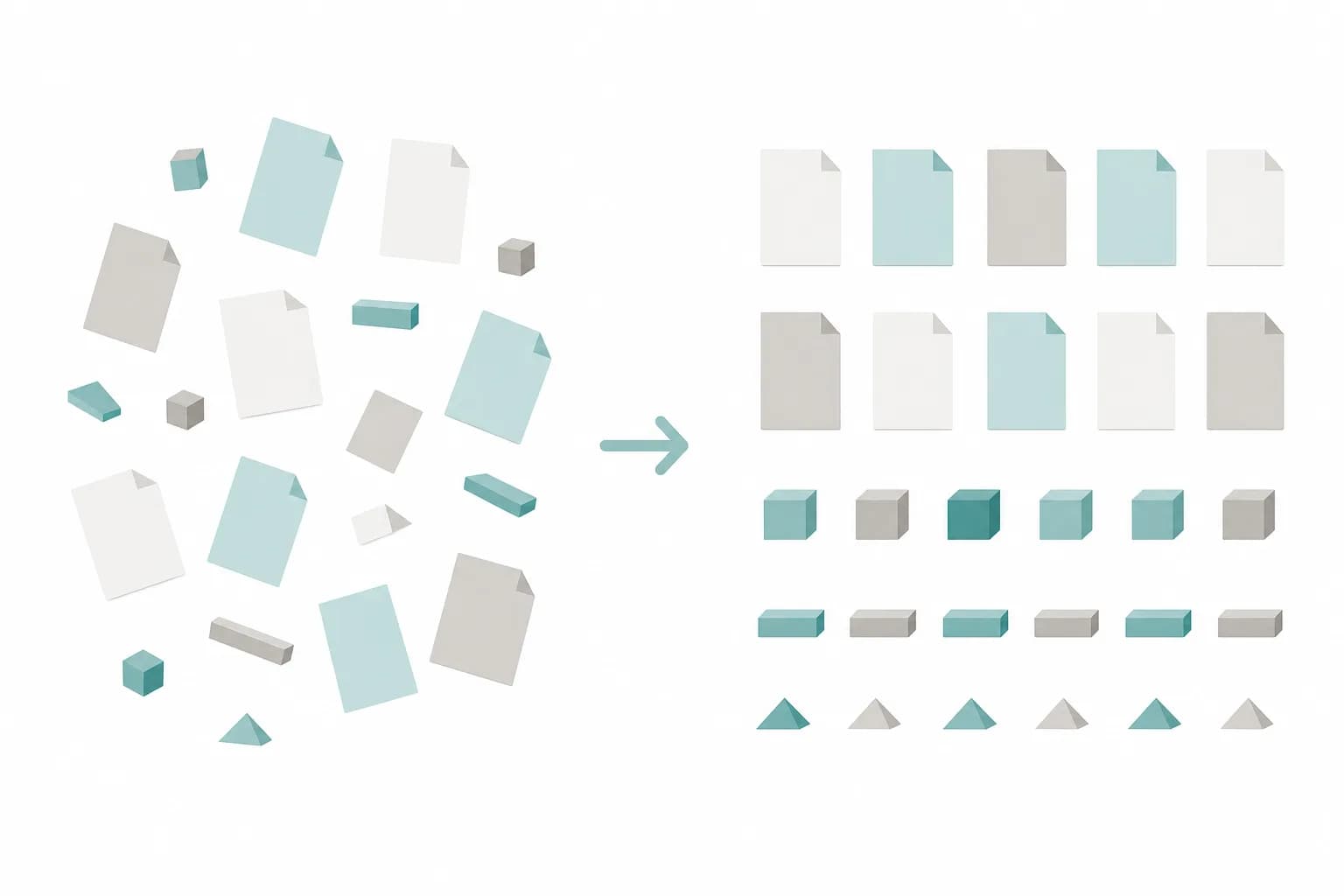
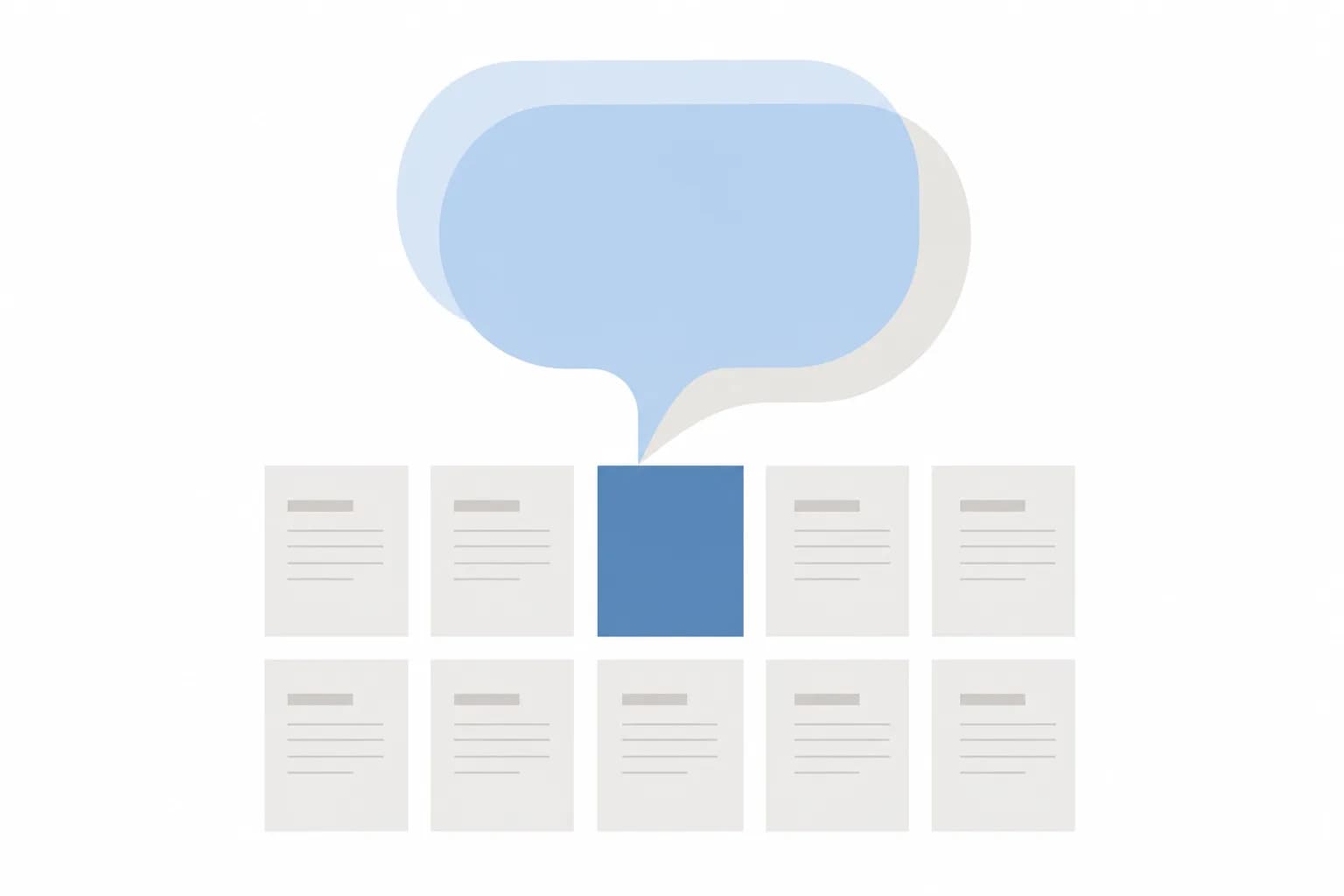
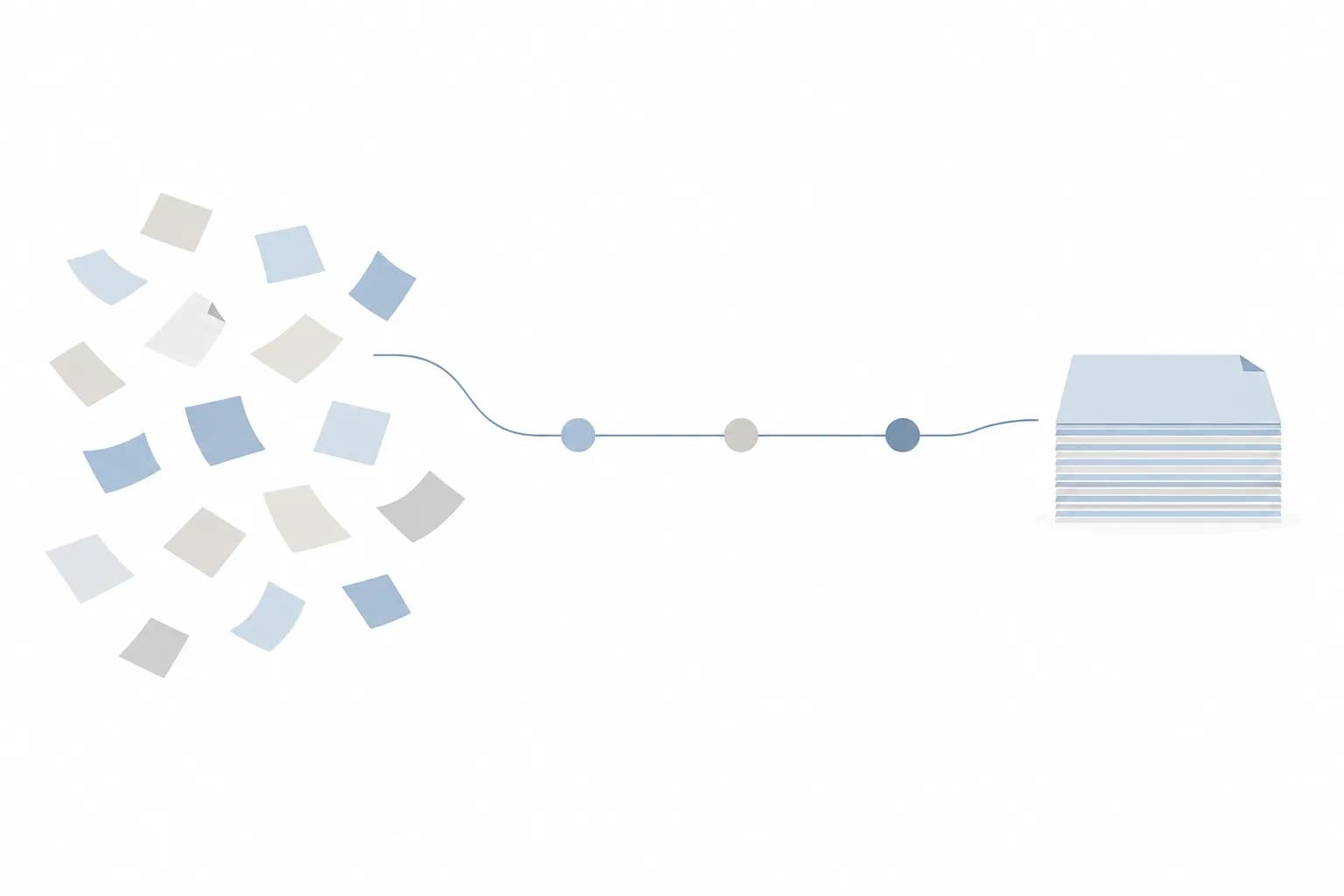
A workflow follows steps defined in advance. An agent has more freedom to choose the next step. For an enquiry process, fixed rules might route a form submission to the right inbox. An agent might inspect the request, search approved information and decide whether it needs more context.
Does an agent need several models or agents?
No. A single agent can use tools, and a multi-agent design is only one possible architecture. Adding more agents introduces more coordination and review work. Start with the simplest approach that meets the task rather than choosing a system by its label.
What should a business brief include?
Describe the input, expected output, allowed tools and cases that need a person. For example, an assistant could draft an enquiry response but leave approval and sending to a team member. This is an example of a possible workflow, not a claim about a delivered REVO project.
- Name the data sources the system may use.
- Set limits on actions such as sending, editing or approving.
- Define what happens when an answer is uncertain or a tool fails.
- Evaluate realistic examples and the effort needed to review them.
When should you consider an agent?
Consider one when the task genuinely needs flexible decisions across tools. If a fixed sequence or ordinary integration can do the job, that may be easier to operate. Digital Revo’s approach to AI automation begins with this feasibility decision.
Reference: Anthropic’s explanation of workflows and agents.